Why is compressed air treatment important?
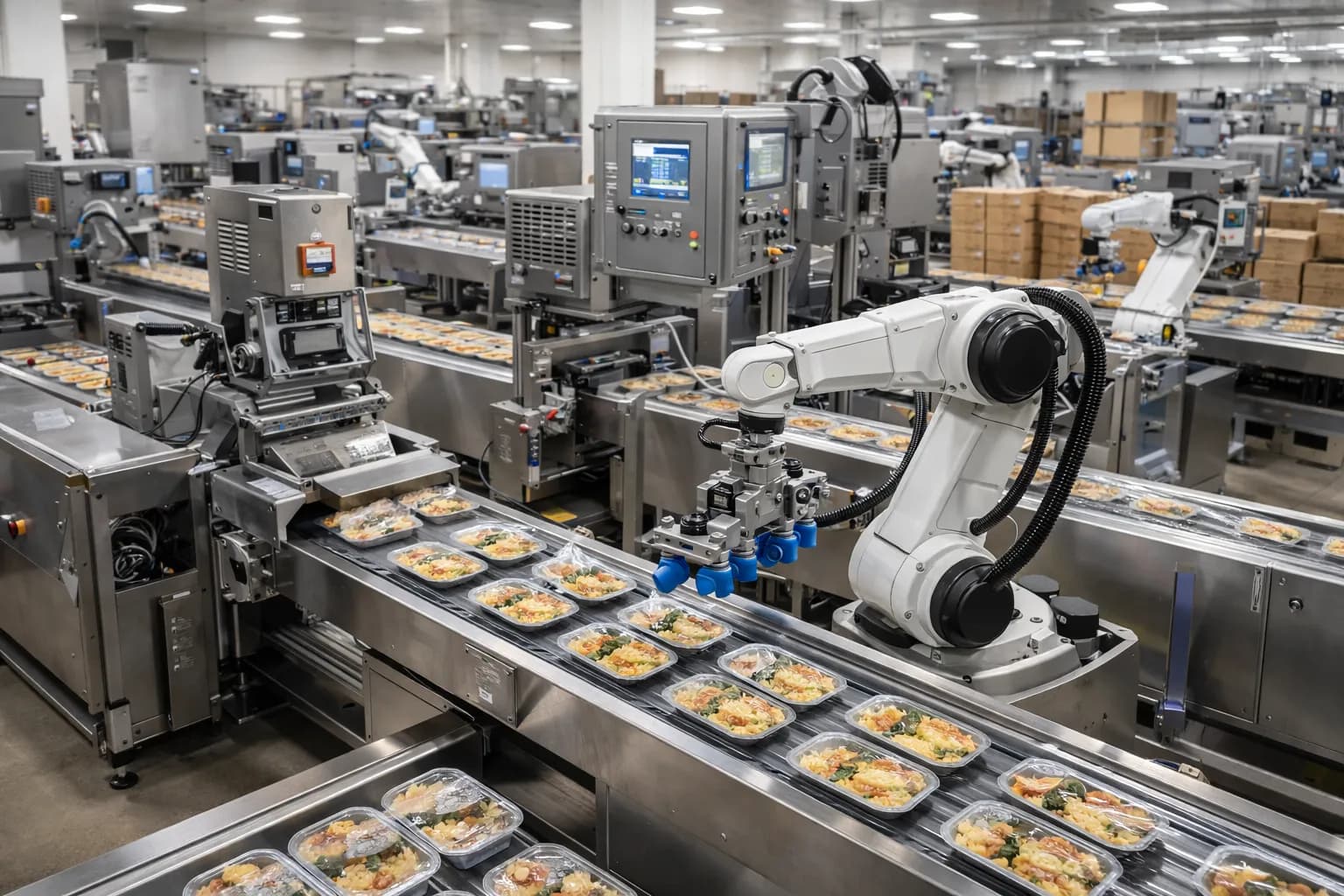
Untreated compressed air contains moisture, particles, oil and other contaminants. These corrode pipework, damage valves and pneumatic components, and can contaminate the product. Proper treatment protects your equipment and reduces rejects and downtime.
When do we choose a refrigeration dryer and when an adsorption dryer?
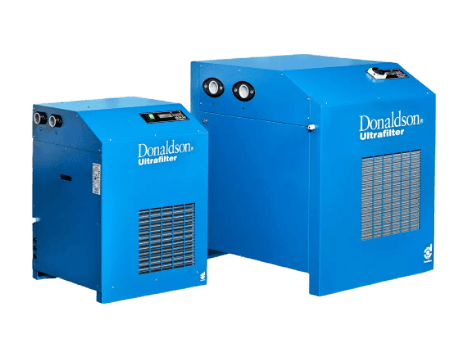
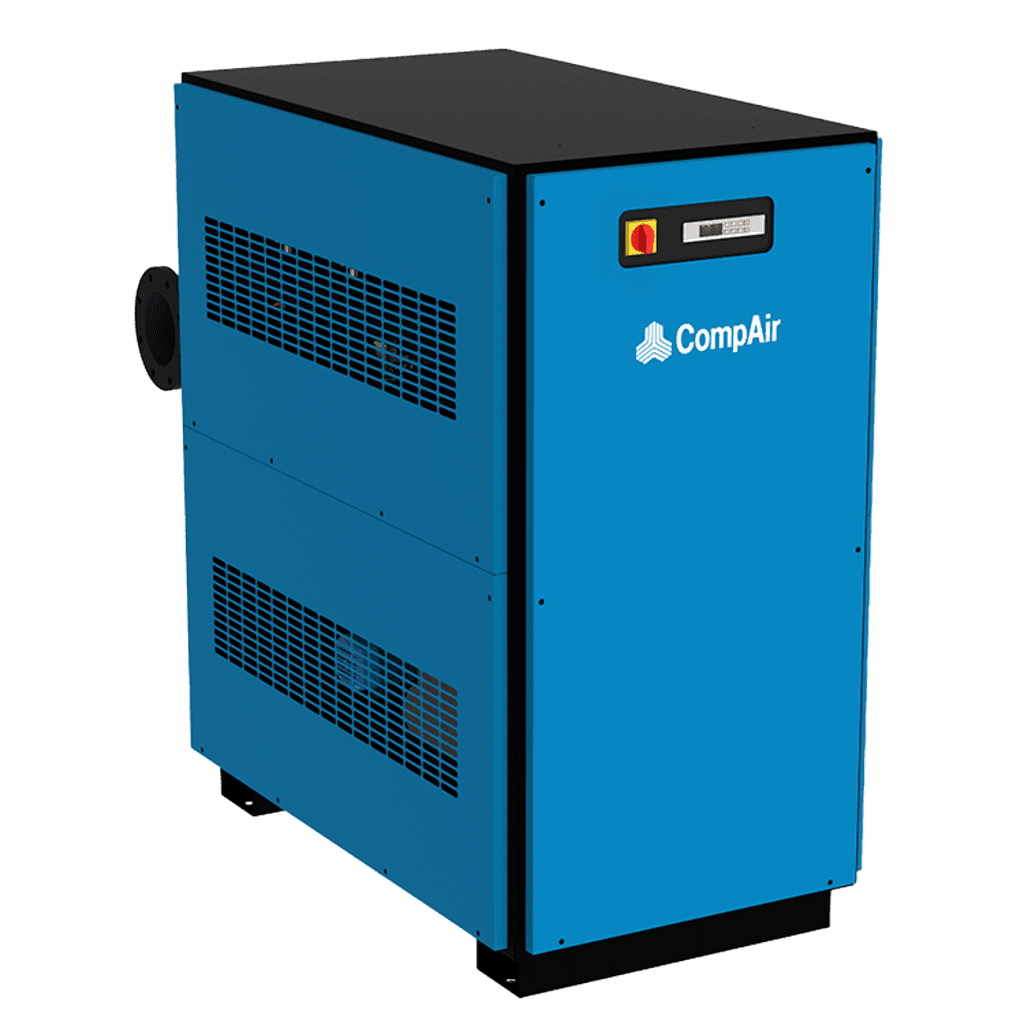
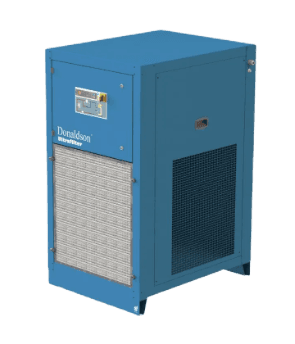
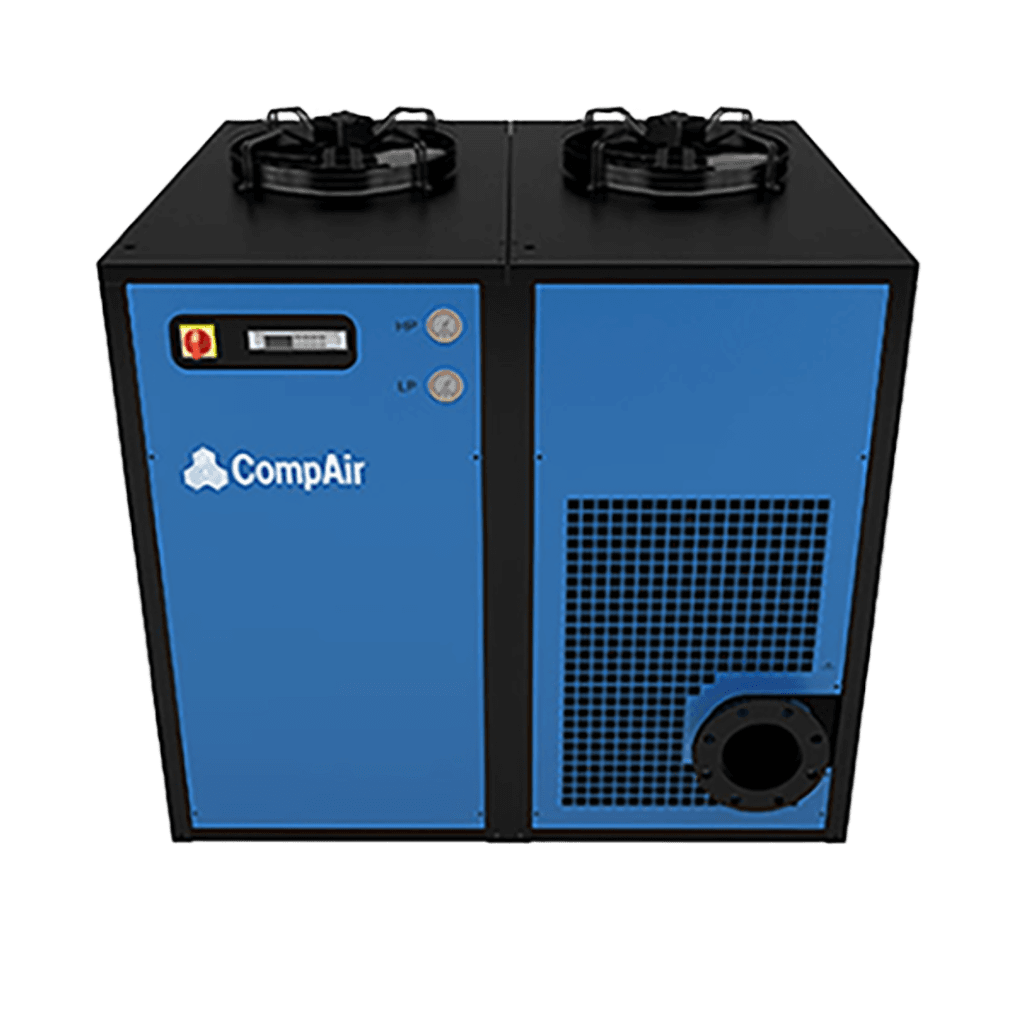
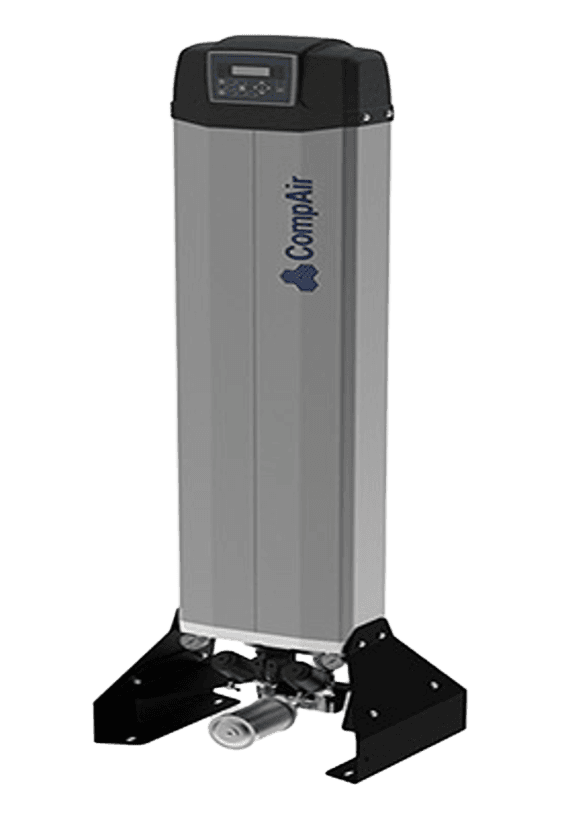
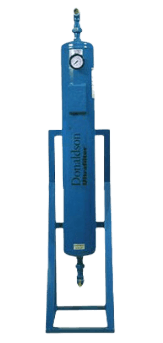
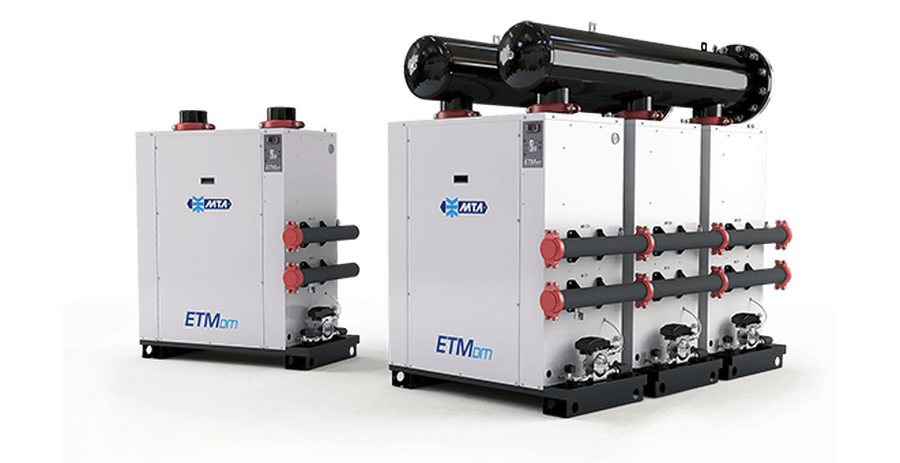
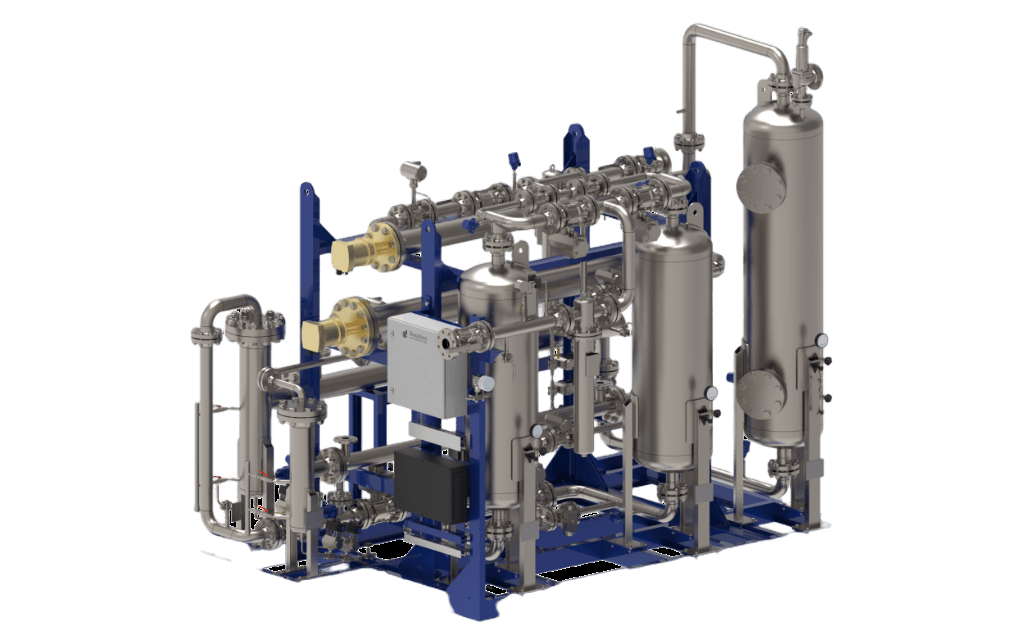
A refrigeration dryer is enough when a pressure dew point of +3 °C will do and the pipework is in a heated area. We choose an adsorption dryer when the process needs a dew point of −40 °C or −70 °C. This applies to pharma, food, electronics, laboratories and outdoor pipework, where condensate could freeze.
What does ISO 8573-1 class 1:4:1 mean?
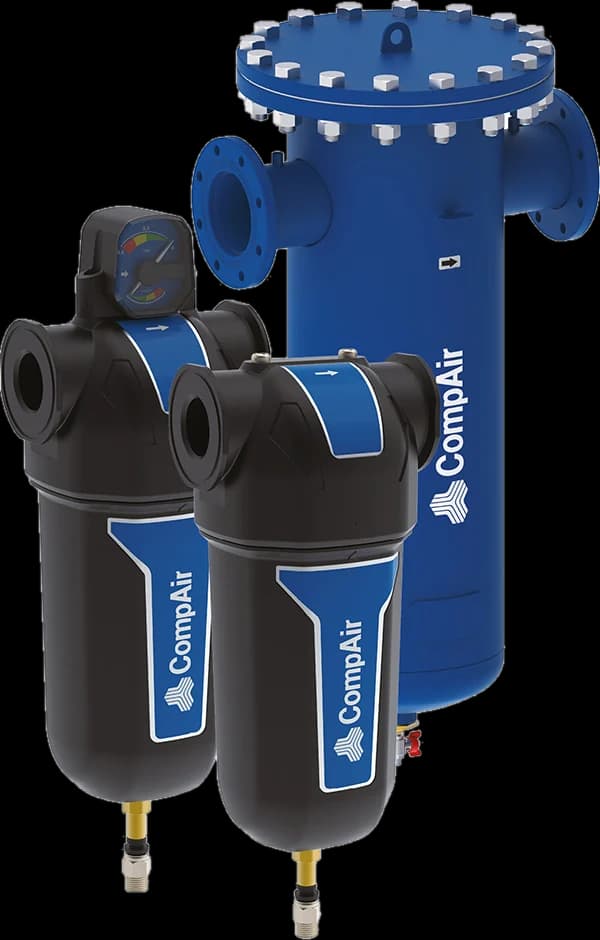
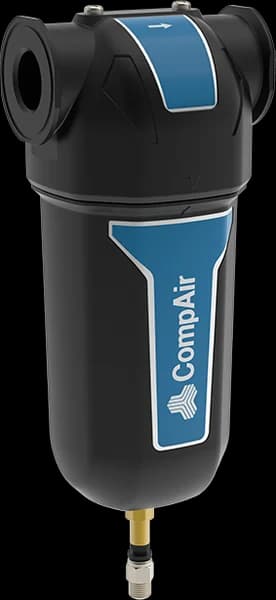
The three numbers are the classes for solid particles, water and oil, in that order. At 1:4:1 particles are class 1, the dew point is ≤ +3 °C (class 4) and oil ≤ 0.01 mg/m³ (class 1). We reach this quality with a CompAir CD refrigeration dryer and CompAir CF filters of grades B, C and D.
What is the pressure dew point?
It is the temperature at which water vapour in compressed air starts to condense at working pressure. A lower dew point means drier air. The dew point must be below the lowest temperature the pipework is exposed to.
Why does filter pressure drop matter?
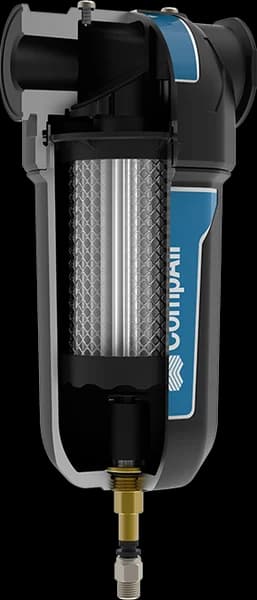
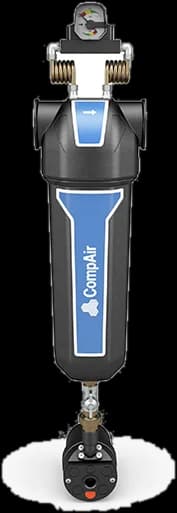
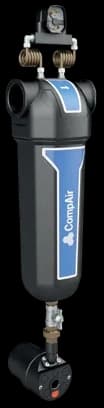
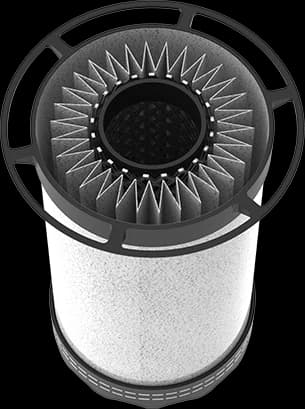
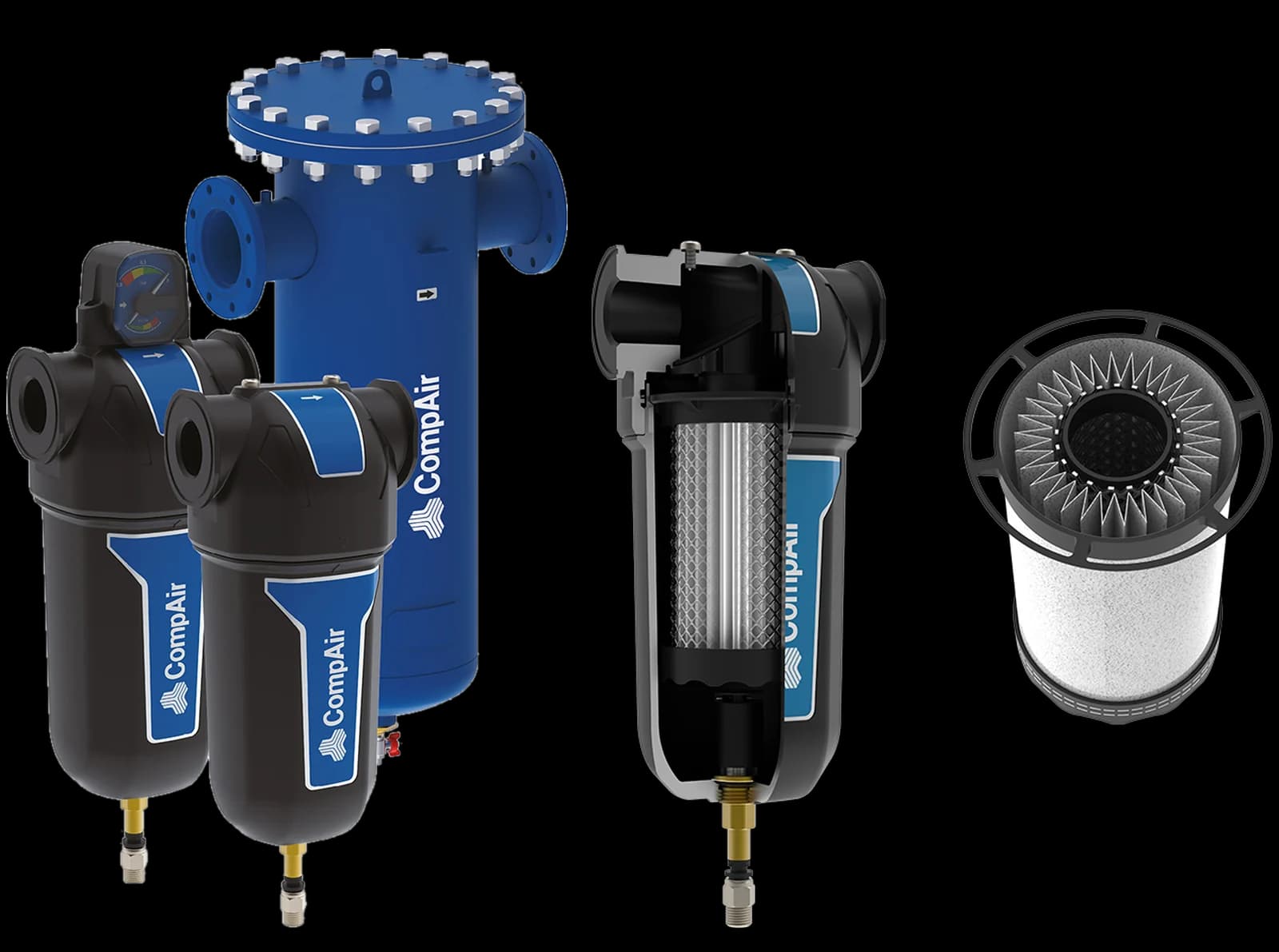
Every bar of pressure drop must be made up by the compressor with a higher pressure, which means about 7 % more energy. That is why CompAir CF filters have a patented smooth-bore flow insert and deep-pleated media with a low differential pressure, and the dual indicator shows when it is time to change.
Which CompAir filter grade do I need?
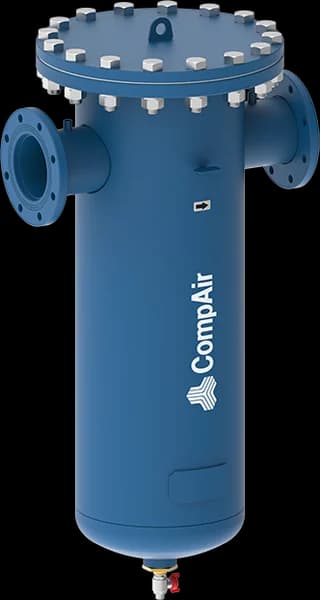
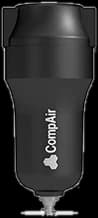
Grade B (0.1 µm, residual oil 0.03 mg/m³) is general protection. Grade C (0.01 µm, 0.01 mg/m³) is the high-efficiency coalescing filter for clean air, preceded by grade B. Grade D with activated carbon removes oil vapour and odour (< 0.003 mg/m³), preceded by grade C. Grade E removes dust down to 1 µm, for example after a desiccant dryer. An X water separator goes ahead of the filters.
How often should filter elements be replaced?
Coalescing and particulate filters are usually replaced once a year or when the differential pressure reaches its limit. Activated carbon is replaced based on operating hours and inlet oil concentration. On dryers we regularly check the dew point and condensate drainage.
What information do you need for a quote?
Flow (m³/min or m³/h), working pressure, the required ISO 8573-1 quality or dew point, ambient and inlet air temperature, compressor type (oil-lubricated or oil-free) and the application. A diagram of the compressor room and any measurements also help.




 Filters and dryers